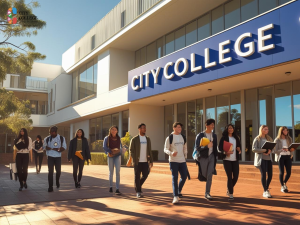
Education today is not only about passing exams or getting a degree. When you step into the real world, you quickly understand that companies look for skills, not just certificates. I have seen many students who study hard but still feel confused when they enter the job market. This is why colleges play a very important role in helping you build job-ready skills. From my experience, colleges that focus on practical learning, career guidance, and real-world exposure prepare students much better for future jobs. In this article, I will explain how colleges help you become confident, skilled, and ready for your career.
Why Job-Ready Skills Matter More Than Just Degrees
A degree shows that you completed your education, but it does not always prove that you can handle real work. Employers want people who can communicate well, solve problems, and adapt to new situations. Job-ready skills help you stand out when many students have the same qualification.
When you have skills like teamwork, time management, and digital literacy, you feel more confident in interviews. You also adjust faster when you start working. Colleges understand this change in the job market, and that is why many institutions now focus on skill-based education. They know that your success depends on how well you can apply your knowledge in real life.
How Colleges Support Practical Learning
Practical learning is one of the strongest ways colleges help students. Instead of only teaching theory, good colleges include hands-on activities in their courses. This may include case studies, presentations, group projects, and practical assignments.
When you work on real examples, you understand concepts better. You learn how to think, analyze, and make decisions. From my observation, students who practice what they learn feel less pressure when they face real work situations. Practical learning helps you move from classroom knowledge to workplace confidence.
Role of Industry-Relevant Curriculum in Skill Building
An updated curriculum is very important for building job-ready skills. Colleges that stay connected with industry trends design courses that match real job requirements. This means you learn skills that companies actually need.
Subjects like business communication, information technology, data basics, project management, and digital tools are now part of modern education. When your course content matches industry needs, you do not feel lost after graduation. Instead, you feel prepared because you already studied what the job market demands.
Importance of Internships and Work Placements
Internships are one of the best ways colleges help students become job-ready. During an internship, you work in a real company and understand how professional life works. You learn how to follow deadlines, communicate with seniors, and handle responsibilities.
Colleges that support internships give you a strong advantage. Even a short internship can teach you more than many classroom lectures. From experience, students who complete internships feel more confident and perform better in job interviews. Employers also prefer candidates who already have some work experience.
Soft Skills Development Through College Activities
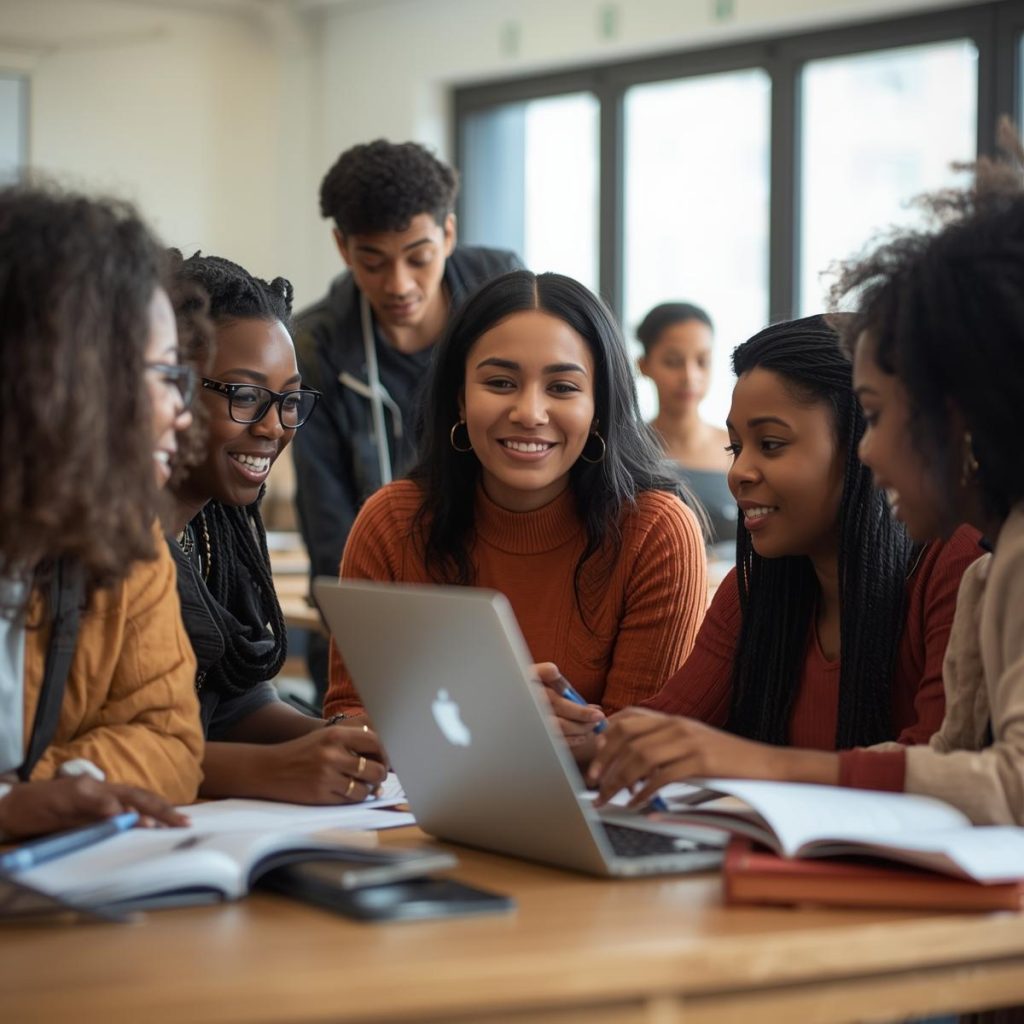
Soft skills are just as important as technical skills. Colleges help you develop these skills through different activities. Presentations improve your communication. Group projects teach teamwork. Class discussions help you express ideas clearly.
When you take part in workshops, seminars, and student activities, you learn leadership and confidence. These skills help you in every career, no matter what field you choose. Colleges that encourage student participation help you grow not only academically but also personally.
How Technology in Colleges Prepares Students for Jobs
Technology plays a big role in modern education. Colleges now use digital tools like learning management systems, online resources, virtual classrooms, and educational software. These tools prepare you for a digital work environment.
When you use technology during your studies, you become comfortable with digital platforms. This helps you adapt easily when companies use similar systems. Technology in education also improves research skills and self-learning habits, which are very valuable in professional life.
Career Guidance and Counseling in Colleges
Career guidance is another important support colleges provide. Many students feel confused about their future direction. Career counseling helps you understand your strengths and interests.
Colleges often arrange career sessions, resume workshops, and interview preparation classes. These services guide you on how to apply for jobs, write a strong CV, and face interviews confidently. From my experience, students who use career guidance services make better career decisions.
Building Confidence Through College Environment
A supportive college environment helps you grow mentally and emotionally. When teachers encourage questions and discussions, you feel confident to speak up. When colleges support learning instead of only grading, students feel motivated.
Confidence is a key job-ready skill. Colleges help you build this confidence by providing a safe place to learn, fail, and improve. This mindset prepares you to handle workplace challenges without fear.
Lifelong Learning Skills Developed in College
Colleges also teach you how to keep learning. Education does not stop after graduation. Job roles change, and skills need updating. Colleges help you develop research skills, curiosity, and self-learning habits.
When you know how to learn independently, you can easily upgrade your skills in the future. This makes you adaptable and valuable in the job market for many years.
How Colleges Shape Your Professional Attitude
Professional attitude is something employers notice quickly. Colleges help you develop discipline, punctuality, and responsibility. Regular assignments, deadlines, and teamwork prepare you for professional expectations.
When you follow college rules and academic standards, you learn how to behave professionally. This attitude helps you gain respect at the workplace and build a strong career foundation.
Final Thoughts on Colleges and Job-Ready Skills
Colleges play a powerful role in shaping your future. They do more than teach subjects. They help you build skills, confidence, and a professional mindset. Through practical learning, internships, soft skills training, technology use, and career guidance, colleges prepare you for real jobs.
If you use these opportunities properly, you can graduate not just with a degree, but with skills that employers value. Education becomes meaningful when it helps you succeed in real life, and colleges are the bridge between learning and working.
FAQs
How do colleges help students prepare for jobs?
Colleges help students by offering practical learning, internships, skill-based courses, and career guidance that match industry needs.
Are soft skills really important for students?
Yes, soft skills like communication, teamwork, and time management are very important for workplace success.
Why are internships important during college?
Internships give real work experience and help students understand professional life before graduation.
How does technology in education help students?
Technology helps students learn digital skills, research better, and adapt easily to modern workplaces.
Can colleges help students choose the right career?
Yes, career counseling and guidance services help students understand their strengths and career options.